Sustainability / repair and rewear

Why keeping clothes in use matters.

The most sustainable garment is the one already in your wardrobe. Repair, alteration and restoration reduce the need for replacement by extending the useful life of clothing that already exists.

METHOD: MEND / ADAPT / PRESERVE
NO CLAIM WITHOUT SOURCE
REF: TTCC-SUSTAIN-001

Fast fashion garments worn fewer than five times can produce 400% more carbon emissions than clothes worn 50 times. The answer begins with keeping, fitting and caring for what already exists.

Slow fashion / repair in Poole

Sustainable clothing repair Poole, garment restoration and eco tailoring Dorset.

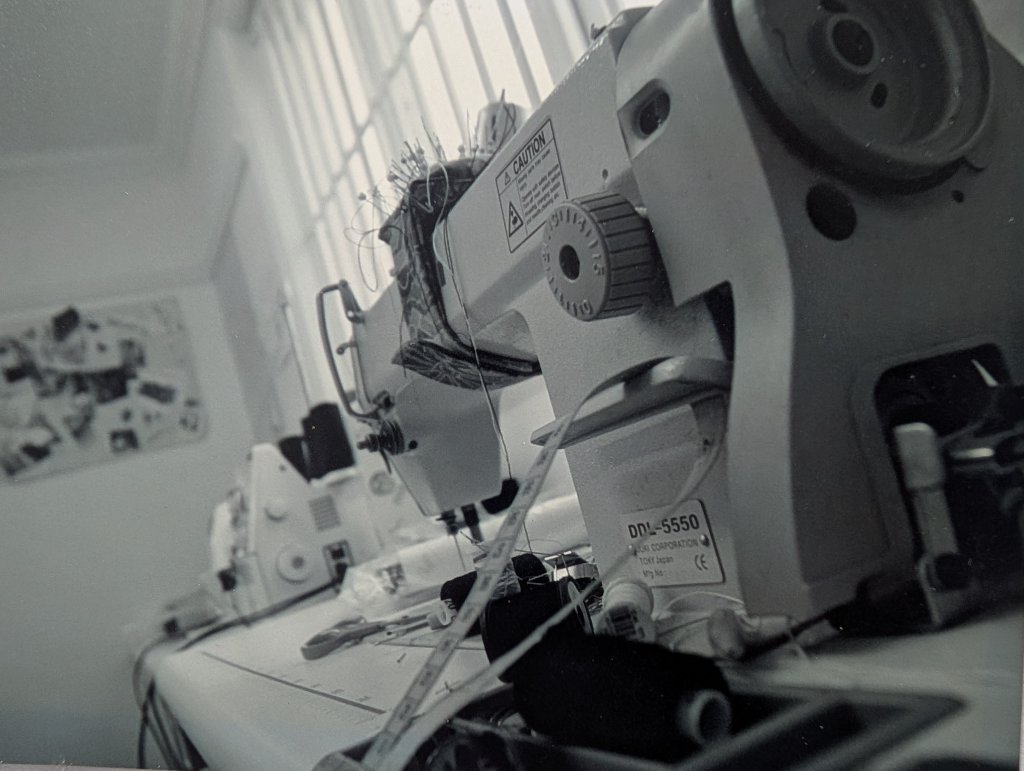
From the Poole atelier, Tailoresque supports slow fashion UK principles through careful alteration, restoration, bridalwear reworking and garment repair that keeps clothing in use for longer.

Evidence / cited sustainability notes

Repair and rewearing reduce clothing waste.

SRC-001Verified note
Factories with smokestacks showing industrial emissions linked to global production

Fashion has a global emissions cost.

The United Nations Alliance for Sustainable Fashion identifies fashion and textiles as a major environmental pressure; the sector is often cited as second only to oil and gas for pollution, and is widely reported at around 1.2 billion tonnes of greenhouse gas emissions each year.

Source: UN Alliance for Sustainable Fashion — fast fashion impact
SRC-002Verified note
Busy highway full of cars representing the emissions comparison for clothing consumption

UK wardrobes carry household-level emissions.

UK clothing consumption has been reported as creating annual household emissions comparable to driving an average car for around 6,000 miles, making repair and rewearing a practical local intervention.

Source: WRAP context cited by UK fashion impact reporting
SRC-003Verified note
Assorted discarded apparel representing fast fashion overconsumption

Fast fashion accelerates carbon impact.

Garments worn fewer than five times can produce around 400% more carbon emissions than clothes worn 50 times — a clear argument for better fit, repair, attachment and repeated wear.

Source: Fast fashion carbon impact summary
SRC-005Verified note
Large pile of waste representing textiles and clothing going to landfill

Textile consumption carries heavy environmental pressure.

The European Environment Agency reports that textile consumption in Europe is among the highest sources of environmental and climate pressure after essentials like food, housing and mobility.

Source: European Environment Agency — Textiles in-depth topic

Repair protects skilled materials, memories and the work already invested in a garment.

For Tailoresque, sustainability begins with understanding a garment well enough to keep it in use: fitting it properly, repairing it beautifully, adapting it intelligently, and helping clients buy less but choose more wisely.

Appointments / Poole workshop

Book a fitting or garment consultation.

For alterations, repairs, bridalwear, costume, bespoke dressmaking and deadstock fabric enquiries.

Poole, Dorset appointments for bridal alterations, garment repair and sustainable clothing repair.

Workshop reference: TTCC / POOLE / APPT

Address: 13 Longfleet Rd, Poole BH15 2HN

Phone: 01202 679996

Measurement margin: allow time for considered fittings.

Requests are sent directly to tailoresque.13@gmail.com.

Service needed
“BUY LESS, CHOOSE WELL, MAKE IT LAST”

Vivienne Westwood

Tailoresque & The Cloth Closet / 13 Longfleet Rd, Poole BH15 2HN / 01202 679996

Name: Tailoresque & The Cloth Closet

Location: Poole, Dorset, UK

Phone: 01202 679996

Local services: bridal alterations Poole / tailoring atelier Poole / sustainable clothing repair Poole